-
Both APET and PETG are types of transparent PET-based sheets, though they differ in how they are modified. PETG is typically more expensive than APET.
APET prioritizes rigidity, cost-effectiveness, and standard forming characteristics, making it well-suited for conventional transparent blister packaging.
PETG is modified with glycol, which enhances its impact resistance and reduces brittleness. It also offers a broader thermoforming window, making it ideal for deep-draw applications, complex structural designs, and packaging that requires high reliability.
-
APET sheet is suitable for food, cosmetics, and electronics packaging; transparent display packaging; and projects requiring "chlorine-free" materials or PET recyclability.
PVC sheet is widely used in conventional pharmaceutical blister packaging; projects utilizing existing PVC production lines and molds; and applications where cost-efficiency and mature processing technology are the primary focus.
-
APET plastic sheet can be easily processed using thermoforming techniques, allowing it to be formed into various shapes and sizes. This versatility makes it ideal for a range of packaging and display applications.
-
Yes, APET plastic sheet is a recyclable material, which means it can be reused and repurposed for other applications, making it an eco-friendly choice for packaging materials.
-
APET plastic sheet offers exceptional clarity, high strength, and resistance to impact, making it ideal for packaging applications. It is also thermal-stable, enabling it to withstand high temperatures without degradation or warping, which is essential for food and medical packaging.
-
APET plastic sheet is commonly used in a range of applications, including food and medical packaging, display panels, and point-of-sale materials.
-
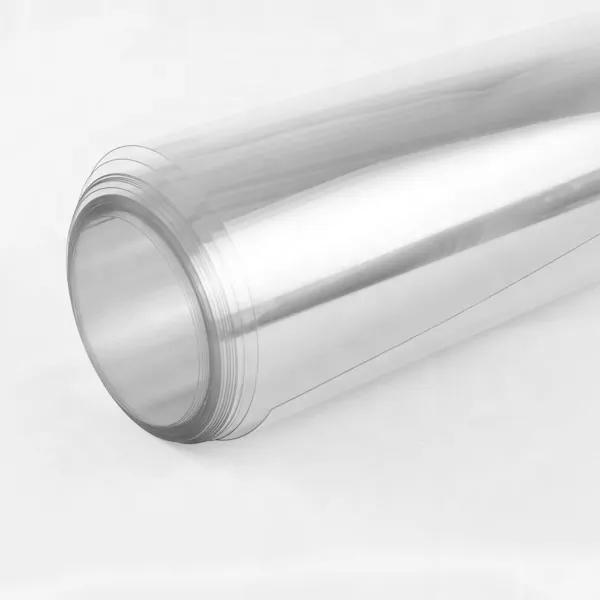
APET plastic sheet, short for amorphous polyethylene terephthalate, is a transparent thermoplastic material with excellent clarity, strength, and thermal stability.