If you work in packaging, printing, thermoforming, or display manufacturing, you have probably come across APET sheet more than once. It is one of the most widely used clear plastic sheet materials for packaging trays, folding boxes, face shields, display inserts, and many other applications. But many buyers still ask the same question before placing an order: what exactly is APET sheet, and how is it different from other plastic sheet materials such as PETG or GAG?
That is an important question, because choosing the wrong material can affect clarity, forming performance, cost, recyclability, and even product positioning. Some projects need a rigid, economical, high-clarity sheet for thermoformed packaging. Others need a softer forming window, better impact resistance, or a multilayer structure. Understanding where APET sheet fits helps buyers make better decisions and avoid unnecessary cost.
In this guide, we will explain what APET sheet is, its key properties, its most common uses, how it compares with PETG and GAG, and what to consider before buying from an APET sheet supplier. If you are evaluating material options for your next packaging or display project, this article will help you narrow the choice.
If you want to review a factory supply option first, you can visit our APET sheet product page.
What Is APET Sheet?
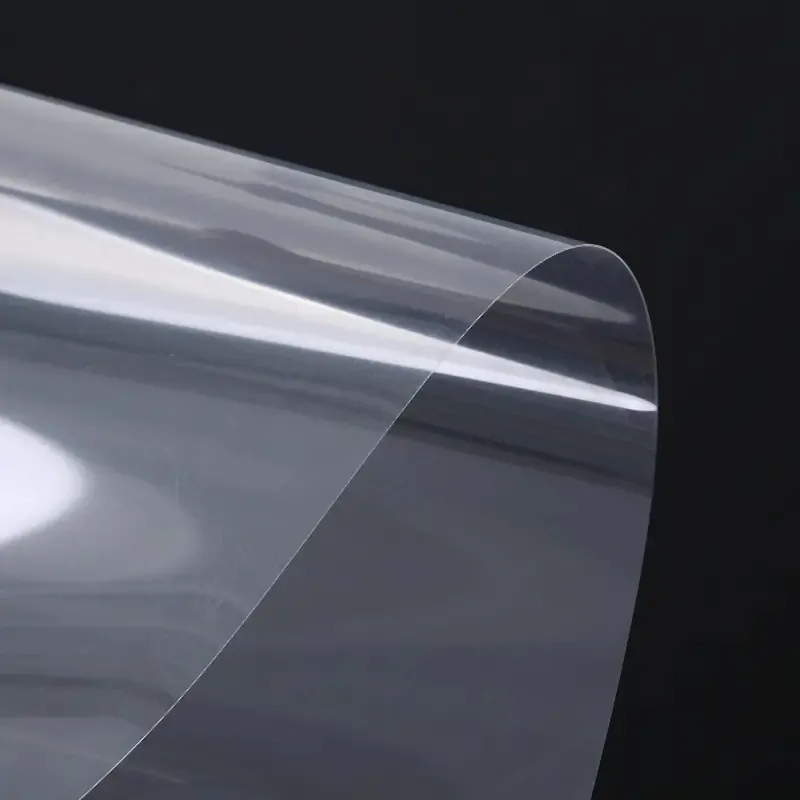
APET sheet, short for amorphous polyethylene terephthalate sheet, is a transparent thermoplastic sheet widely used in packaging and industrial converting. It belongs to the PET family, but unlike some other PET-based materials, APET is known for its high transparency, strong stiffness, good printability, and excellent thermoforming performance.
In practical terms, APET sheet is often selected when manufacturers want a material that looks clean and clear, forms well into trays or boxes, and remains cost-effective in high-volume production. It is especially common in food packaging, retail packaging, stationery covers, medical packaging, and display applications.
Compared with more specialized sheet materials, APET usually offers a practical balance between appearance, processing efficiency, and cost. That is one reason it remains a standard choice across many packaging industries.
If you want a simpler introduction to the material, you can also read our related article on what APET sheet is and how it is used.
Key Properties of APET Sheet
Before choosing APET sheet for a project, it is helpful to understand why buyers and converters use it so widely.
High Clarity
One of the biggest advantages of APET sheet is its transparency. It provides a clean and glossy appearance that works well for retail packaging and any application where product visibility matters. When brands want packaging that allows the product to stay visible on the shelf, clear APET sheet is often one of the first materials considered.
Good Stiffness
APET sheet offers better rigidity than many flexible plastic films. This makes it suitable for trays, lids, folding cartons, and inserts that need to hold their shape during transport, stacking, and display.
Strong Thermoforming Performance
APET sheet is widely used in thermoforming because it can be processed efficiently into shaped packaging components. Manufacturers use it for blister trays, clamshell-style packaging, insert trays, and other formed parts where clarity and production speed both matter.
Good Printability
For packaging and promotional applications, APET sheet can also perform well in printing and decoration workflows. This is useful for printed covers, branded inserts, and other semi-rigid display materials.
Recyclable Material Family
PET-based materials are widely recognized in recycling systems, which makes APET attractive in projects where material recovery and sustainability positioning are relevant. Buyers still need to check local recycling conditions, but APET is often preferred over less recyclable alternatives for this reason.
Cost-Effective for Volume Applications
For many packaging projects, APET offers a competitive material cost compared with more specialized transparent plastics. That makes it a strong option when appearance and forming performance are important, but budgets also need to be controlled.
Common APET Sheet Applications
APET sheet is used across a wide range of industries. Its combination of clarity, rigidity, and forming performance makes it one of the most practical choices for clear plastic packaging and display work.
Food Packaging
APET sheet is commonly used for fruit trays, bakery trays, salad boxes, lids, and other food-contact packaging formats. Buyers in this segment often care most about clarity, stiffness, hygiene, and forming consistency.
Retail Packaging
Many brands use APET sheet for folding boxes, insert trays, window packaging, and point-of-sale packaging components. The clear appearance helps products remain visible while still being protected.
Medical and Industrial Packaging
APET sheet is also used for packaging that needs cleanliness, visibility, and shape stability. Depending on the final application, buyers may use it for protective covers, insert trays, or packaging parts for industrial components.
Stationery and Printing Materials
In some markets, APET sheet is used for covers, printed display materials, and rigid transparent sheets that need good visual quality and handling performance.
Display and Thermoformed Inserts
Because it cuts and forms well, APET sheet is suitable for many insert-style applications where products need to be organized, displayed, or separated inside a package.
For buyers comparing other transparent plastic options, it is also useful to review our clear PET sheet range.
APET Sheet vs PETG vs GAG
This is where many buyers become uncertain. APET, PETG, and GAG all belong to the PET family, but they are not the same material and they are not always interchangeable.
When to Choose APET Sheet
APET is usually the best choice when you need high clarity, good stiffness, reliable thermoforming, and economical pricing. It is especially suitable for trays, folding packaging, and general rigid transparent packaging.
When to Choose PETG Sheet
PETG is often chosen when a project needs stronger impact resistance, easier secondary forming, or improved toughness. It is common in medical, signage, machine guards, and applications where durability matters more than material cost alone. If your project needs higher toughness, you can compare it with our PETG sheet.
When to Choose GAG Sheet
GAG sheet is a multilayer structure, often used when processors want a balance between stiffness, formability, and performance. In some packaging applications, GAG provides a useful middle ground between APET and PETG. You can also check our GAG sheet page for comparison.
In short, if your project is mainly focused on clear packaging, volume efficiency, and cost control, APET sheet is often the most practical starting point.
How to Choose the Right APET Sheet for Your Project
Not all APET sheet orders are the same. Buyers should define the application clearly before discussing thickness, size, and finish with a supplier.
Start with the End Use
Is the sheet going into thermoformed food trays, retail boxes, folding packaging, or printed display material? The answer affects thickness, stiffness requirements, and surface expectations.
Choose the Right Thickness
Thinner APET sheet may work well for lightweight packaging or folding applications. Thicker sheet may be better for trays, inserts, or rigid display structures. If the project requires forming, the thickness also affects forming depth and final part strength.
Confirm the Required Clarity and Finish
Some projects require extremely high transparency and a glossy surface. Others may need anti-fog performance, printability, or a particular converting behavior. Make sure the supplier understands the visual standard expected in the final product.
Review the Sheet Format and Processing Method
Some buyers need rolls for downstream thermoforming lines. Others need cut sheets for printing, die cutting, or fabrication. Confirming the format early helps avoid production mismatch.
Check Compliance Needs
Food packaging, medical packaging, and export packaging may require additional attention to regulatory or testing standards. It is always better to clarify those expectations before ordering.

What to Ask an APET Sheet Supplier Before Ordering
A good APET sheet supplier should be able to answer more than just price questions. Serious buyers usually ask about the following points before confirming an order.
Thickness and Size Range
What thickness range do you supply? What sheet sizes or roll widths are available? Can you support custom specifications?
Processing Suitability
Is the material suitable for thermoforming, folding, printing, or die cutting? Will it match the buyer's production line?
Packaging and Delivery
Can the supplier provide export packing? What is the standard lead time? Can they support stable repeat orders?
Industry Experience
Does the supplier have experience serving packaging manufacturers, converters, brand owners, or distributors in your market?
These questions help buyers identify suppliers who can support stable production instead of only giving a quotation.
Why APET Sheet Still Matters
Even though the plastic materials market continues to expand, APET sheet remains important because it solves a very common industrial need: clear rigid packaging at scale. Buyers still need a material that looks good, runs efficiently, forms consistently, and stays commercially practical. APET continues to meet that need in many industries.
In many cases, buyers do not need the extra cost of more specialized transparent sheet materials. They simply need a dependable clear plastic sheet for packaging and display work. That is exactly why APET sheet continues to be widely used.
If you are already evaluating supplier options, you can return to our APET sheet product page and compare specifications with your own project needs.
Final Thoughts
APET sheet is one of the most practical clear plastic sheet materials for packaging, thermoforming, printing, and display applications. It offers strong clarity, useful rigidity, reliable forming performance, and competitive cost, which makes it a preferred choice for many manufacturers and converters.
For buyers comparing APET with PETG or GAG, the right answer depends on the project. But if your goal is clear packaging with good efficiency and controlled cost, APET sheet is often the material worth starting with.
If you are sourcing from China and want to compare product options, sheet formats, or custom supply details, you can review ONE PLASTIC's APET sheet, PETG sheet, and GAG sheet pages.


