You are here:Home » News » Anti-Fog PET Plastic Sheet: Uses, Benefits, and Buying Guide
Anti-Fog PET Plastic Sheet: Uses, Benefits, and Buying Guide
Views: 0 Author: Site Editor Publish Time: 2026-05-07 Origin: Site
Clear packaging can fail in a very simple way: the product looks good at the factory, but turns cloudy in the refrigerated display case.
For food trays, salad boxes, fresh fruit lids, face shields, and cold-chain display covers, that fog is not just a visual problem. It can reduce product appeal, make inspection harder, and force buyers to test another material after production has already started. This is why many packaging converters and brand owners choose Anti-Fog PET Plastic Sheet instead of standard clear PET sheet for humidity-exposed applications.
This guide explains how anti-fog PET plastic sheet works, where it is used, what specifications matter, and what information you should prepare before requesting a quote from a supplier.
Key Takeaways
Anti-fog PET plastic sheet is clear PET sheet with a special surface treatment that helps reduce visible condensation.
The anti-fog effect is especially useful for refrigerated food packaging, fresh produce lids, face shields, and cold display covers.
Buyers usually need to confirm thickness, roll width, sheet size, one-side or two-side coating, application, and food-contact documentation requirements.
0.2mm and 0.25mm are common thin-gauge choices for food lids, light trays, and converting applications.
For packaging or medical-related use, always confirm the exact grade, coating side, and compliance documents before bulk order.
What Is Anti-Fog PET Plastic Sheet?
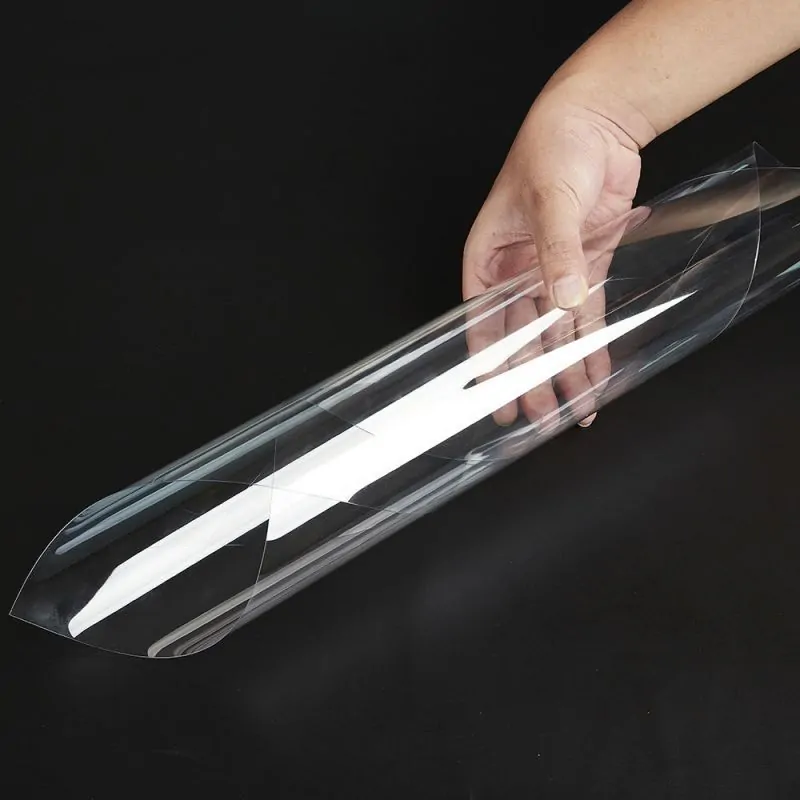
Anti-fog PET plastic sheet is a transparent PET sheet or film treated with an anti-fog surface coating. The base material is PET, often APET, which provides clarity, rigidity, impact resistance, and good processing performance.
The anti-fog function comes from the surface treatment. In humid or cold-chain conditions, water vapor can condense on plastic surfaces. On untreated clear PET, condensation forms small droplets that scatter light and create a cloudy appearance. Anti-fog treatment helps spread that moisture into a thinner, more uniform water layer, so the surface stays visually clearer.
For a full product range overview, you can review ONE PLASTIC's anti-fog PET plastic sheet category page.
The important point is this: anti-fog PET is not just "clear PET with a marketing name." It is a functional sheet selected for visibility-critical applications where standard PET may fog under humidity, refrigeration, temperature change, or breath exposure.
How Anti-Fog PET Sheet Works
Anti-fog PET sheet works by changing how condensation behaves on the plastic surface.
On standard PET, water tends to bead into many small droplets. These droplets reflect and scatter light, which makes the sheet appear cloudy or fogged. On anti-fog PET, the treated surface encourages condensation to spread more evenly across the surface.
This matters in several real production environments:
A fresh salad lid moves from cold storage to a supermarket display area.
A fruit tray sits in a refrigerated shelf while warm air enters when customers open the case.
A face shield is exposed to breath and body heat during use.
A clear display cover is used in a humid processing or storage area.
In each case, the goal is the same: keep the material clear enough for the product, operator, or user to see through it.
For buyers, this also means anti-fog performance should be tested under the actual use condition. A sheet that looks excellent on a desk may perform differently inside a refrigerated case, during thermoforming, or after die cutting.
Anti-Fog PET Plastic Sheet vs Standard PET Sheet
Standard clear PET sheet is widely used because it is transparent, strong, recyclable, and easy to process. For many dry packaging and display applications, standard PET is enough.
Anti-fog PET plastic sheet becomes necessary when the package or product faces condensation risk.
Use Standard PET Sheet When
The application stays dry.
The packaging is used at room temperature.
Visibility is important, but condensation is not expected.
The sheet is used for general display, printing, box windows, or protective covers.
If your project does not need anti-fog performance, you may start from ONE PLASTIC's broader PET plastic sheet range.
Use Anti-Fog PET Sheet When
The package will be refrigerated or frozen.
The product releases moisture.
The sheet is exposed to steam, breath, or humidity.
Product visibility directly affects shelf appeal.
The application is a face shield, visor, cold display cover, or food lid.
Anti-fog PET is usually more application-specific than standard PET, so the quotation should not only ask for "PET sheet." It should clearly mention anti-fog treatment, coating side, thickness, width, and intended use.
Common Applications of Anti-Fog PET Plastic Sheet
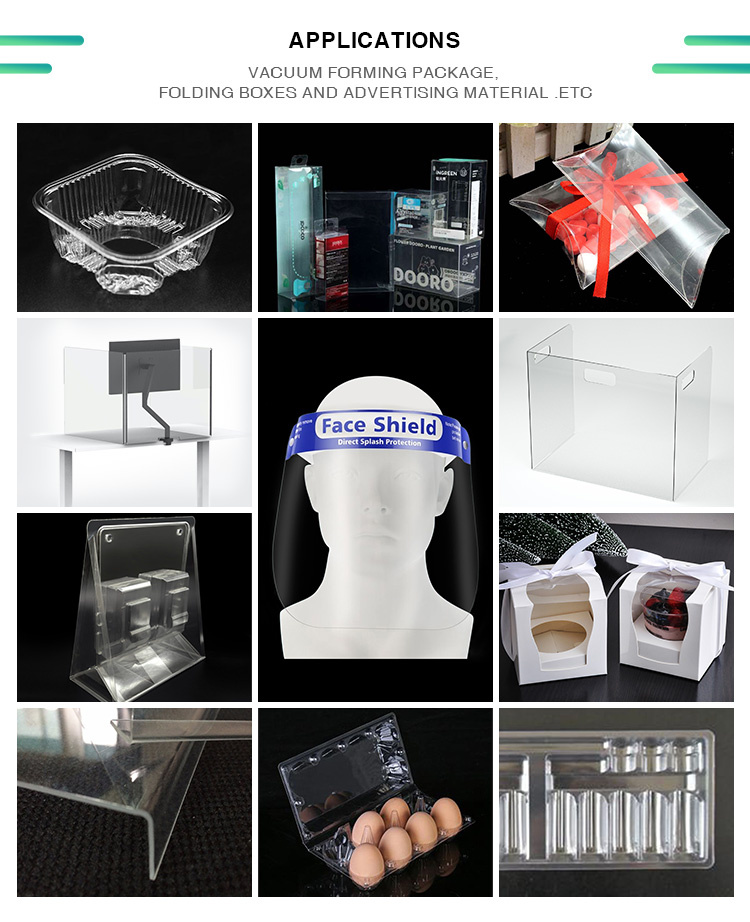
Anti-fog PET plastic sheet is mainly used in packaging, medical protection, and display applications where clear visibility matters.
Anti-Fog PET Plastic Sheet for Food Packaging
Food packaging is one of the most common uses for anti-fog PET sheet.
When fresh food is placed in refrigerated display, condensation often forms inside the lid or cover. If the cover fogs, consumers cannot clearly see the product. For fresh produce, salad, deli food, bakery packaging, and cold-chain trays, that can directly reduce shelf appeal.
Common food packaging uses include:
Fresh fruit tray lids
Salad box lids
Deli and ready-meal packaging
Bakery and dessert covers
Meat and seafood tray covers
Cold-chain display packaging
For food-contact applications, buyers should confirm the exact material grade and documentation. Food packaging materials are regulated differently by market. The U.S. FDA provides information about food ingredients and packaging, including substances that come into contact with food. The European Commission also maintains rules for food contact materials, including plastic materials and articles.
This is why a good supplier should not only quote thickness and price. They should also help confirm whether the selected anti-fog PET grade is suitable for your intended market and application.
Anti-Fog PET Sheet for Face Shields and Visors
Face shields and protective visors need clear visibility during use. Standard PET may fog when exposed to breath, body heat, or humid working conditions.
Anti-fog PET sheet helps solve this problem by keeping the visor surface clearer for longer use. In this application, buyers often request two-side anti-fog treatment because both surfaces may be exposed to humidity.
Common face shield specifications often focus on:
Thin-gauge PET sheet, such as 0.2mm or 0.25mm
High transparency
Good flatness
Clean die cutting
One-side or two-side anti-fog treatment
Sheet or pre-slit stack format
If your project focuses on face shield or visor converting, ONE PLASTIC's 0.2mm / 0.25mm Anti-Fog PET Sheet page may be a better specification reference.
Anti-Fog PET Sheet for Die Cutting
Some buyers do not need thermoformed trays. They need flat anti-fog parts cut from sheet or roll material.
This is where die cutting matters.
Anti-fog PET sheet can be die-cut into lids, inserts, clear windows, protective covers, and packaging blanks. For this type of project, buyers should confirm whether the material cuts cleanly, whether the coating flakes at the edge, and whether the supply format fits the cutting equipment.
One important buying decision is whether the sheet needs one-side or two-side anti-fog treatment.
One-Side Anti-Fog PET
One-side anti-fog PET has anti-fog treatment on one surface. It is commonly used for food packaging lids where only the inner side faces the moist product.
For example, a salad tray lid may only need anti-fog treatment on the side facing the food. The outer side may remain untreated for easier printing, handling, or cost control.
Two-Side Anti-Fog PET
Two-side anti-fog PET has treatment on both surfaces. This is often used for face shields, visors, and covers where both sides may face humidity.
Two-side treatment can be useful when the application cannot guarantee which side will face moisture, or when both surfaces need clear visibility during use.
How to Choose
Choose one-side anti-fog treatment when:
Only one surface faces condensation.
The application is a food lid or inner packaging window.
You want a more economical solution.
Choose two-side anti-fog treatment when:
Both sides face humidity or breath.
The application is a face shield or visor.
Operators may install or use the part in different directions.
When requesting a quote, always state which side should be coated. If you are unsure, send a drawing or describe how the sheet will be used.
Choosing the Right Thickness
Thickness affects stiffness, forming behavior, cost, and finished product performance.
There is no single "best" thickness for every anti-fog PET application. The right choice depends on the product design and processing method.
0.2mm Anti-Fog PET Sheet
0.2mm is commonly used for thin lids, face shields, protective covers, and lightweight die-cut parts. It is economical and easy to cut, but it may provide less rigidity than thicker gauges.
Choose 0.2mm when:
The part is lightweight.
Material cost matters.
The product does not need heavy structural support.
The sheet will be die-cut or used as a flat cover.
0.25mm Anti-Fog PET Sheet
0.25mm is a common balance between flexibility, handling strength, and cost. Many packaging buyers choose 0.25mm for food lids, light thermoforming, and face shield production.
Choose 0.25mm when:
You need slightly better stiffness.
The lid or cover needs a more stable feel.
The part will be handled frequently.
You want a safe starting point for testing.
0.3mm and Above
Thicker anti-fog PET sheet may be used for heavier covers, shallow thermoformed trays, display covers, and applications that require stronger shape retention.
Choose thicker gauges when:
The finished part needs rigidity.
The tray or lid is larger.
The sheet will be thermoformed.
The application requires improved handling strength.
If you are not sure which thickness to start with, request samples in two or three gauges and test them under real production conditions.
Roll, Sheet, or Cut-to-Size Supply
Anti-fog PET plastic sheet can be supplied in different formats depending on your production process.
Roll Format
Roll format is common for thermoforming lines, roll-fed die cutting, and high-volume converting. Buyers should confirm roll width, core size, roll weight, winding direction, and packing method.
Sheet Format
Sheet format is useful for sheet-fed die cutting, manual sampling, printing, or smaller production runs. Buyers should confirm sheet size, flatness, pallet packing, and surface protection.
Cut-to-Size or Pre-Slit Format
Cut-to-size supply can reduce converting work for buyers who already know their final blank size. Pre-slit stacks may be useful for face shield, visor, or packaging insert production.
Before ordering, confirm whether your factory needs roll-fed supply, cut sheets, or pre-slit material. This detail can affect pricing, packing, lead time, and production efficiency.
Printing and Processing Considerations
Anti-fog PET can often be printed, die-cut, and thermoformed, but the anti-fog coating changes how the surface should be handled.
For printing, many buyers print on the non-coated side to avoid interfering with the anti-fog function. Ink system, drying method, and adhesion should always be tested before bulk production.
For die cutting, the material should cut cleanly without coating flaking or edge damage. Tool sharpness, die pressure, and sheet thickness all affect the result.
For thermoforming, buyers should test forming temperature, mold design, draw depth, and coating performance after forming. A material may look clear before forming but perform differently after heat and stretching.
In other words, do not evaluate anti-fog PET only by sample appearance. Test it through your actual process.
How to Test Anti-Fog Performance Before Bulk Order
Testing is important because anti-fog performance depends on application, temperature, humidity, coating side, and processing.
A practical test plan may include:
Check visual clarity before processing.
Confirm thickness and width tolerance.
Identify the coated side.
Place the sample in the expected cold or humid condition.
Test forming, cutting, or printing process.
Observe whether fogging appears after temperature changes.
Test finished packaging or parts with the actual product if possible.
For food packaging, test with the product, storage temperature, and display condition that match real use. For face shields, test breath exposure and wearing time. For die-cut lids, test edge quality and coating stability after cutting.
This is also why sample confirmation is not just a formality. It helps prevent production problems before bulk order.
What to Tell Your Supplier Before Requesting a Quote
If you want an accurate quote for Anti-Fog PET Plastic Sheet, prepare the following information:
Application, such as food lid, face shield, tray cover, or die-cut insert.
Required thickness, such as 0.2mm, 0.25mm, 0.3mm, or custom gauge.
Supply format, such as roll, sheet, cut-to-size, or pre-slit stack.
Width or sheet size.
One-side or two-side anti-fog coating.
Food-contact or regulatory documentation requirements.
Printing, die cutting, or thermoforming process.
Order quantity.
Destination port or delivery location.
Sample requirements.
The more specific your inquiry is, the faster a supplier can confirm the right material and price.
Need help choosing a specification? Contact ONE PLASTIC with your application, thickness target, and production method. Our team can help recommend a starting point and provide samples for testing.
Common Buying Mistakes to Avoid
Mistake 1: Asking Only for the Lowest Price
Price matters, but anti-fog PET is a functional material. A cheaper sheet that fails anti-fog testing can cost more through rejected packaging, production delays, or customer complaints.
Ask about coating side, sample testing, thickness tolerance, packing, and documentation, not price alone.
Mistake 2: Not Confirming the Coated Side
If a food lid is installed with the untreated side facing the food, the anti-fog effect may not work as expected. Always confirm which surface is coated and how the sheet should be oriented.
Mistake 3: Skipping Process Testing
Anti-fog performance should be checked after die cutting, printing, or thermoforming. Some applications require additional testing because heat, pressure, and ink can affect surface behavior.
Mistake 4: Treating Food-Contact Suitability as Automatic
PET is commonly used in food packaging, but the final suitability depends on the material grade, coating, application, temperature, and target market. Always confirm required documentation before purchase.
Mistake 5: Using a Broad Product Page for a Specific Need
If your requirement is specifically 0.2mm or 0.25mm, start from the 0.2mm / 0.25mm Anti-Fog PET Sheet page. If you need a broad product overview, use the main Anti-Fog PET Sheet page. If you need die cutting supply, use the die cutting product page.
Why Source Anti-Fog PET Plastic Sheet from ONE PLASTIC?
ONE PLASTIC supplies PET sheet, APET sheet, PETG sheet, GAG sheet, RPET sheet, and anti-fog PET material for packaging, printing, medical protection, and industrial applications.
For anti-fog PET plastic sheet buyers, we can support:
One-side or two-side anti-fog treatment.
Sheet, roll, and cut-to-size supply.
Common thin gauges such as 0.2mm and 0.25mm.
Anti-fog PET for food packaging, face shields, and die cutting.
Sample confirmation before bulk order.
Custom width, size, and packing requirements.
Export communication and documentation support based on order requirements.
Anti-Fog PET Plastic Sheet is clear PET sheet with an anti-fog surface treatment. The coating helps reduce visible condensation, keeping the sheet clearer in humid, refrigerated, or breath-exposed environments.
Is anti-fog PET sheet suitable for food packaging?
It can be used for many food packaging applications, but the exact grade and coating must be confirmed for the intended food-contact requirement and market. Ask your supplier for the relevant documentation before bulk order.
What is the difference between one-side and two-side anti-fog PET?
One-side anti-fog PET has treatment on one surface and is common for food lids. Two-side anti-fog PET has treatment on both surfaces and is often used for face shields, visors, and applications exposed to humidity on both sides.
Can anti-fog PET sheet be thermoformed?
Yes, anti-fog PET sheet can be used for thermoforming applications, depending on thickness, coating, and forming conditions. Buyers should test samples on their own equipment before bulk production.
Can anti-fog PET sheet be printed?
Yes, it can be printed in many applications, usually on the non-coated side. Ink adhesion and anti-fog performance should be tested with the actual printing process before mass production.
What thickness should I choose?
0.2mm and 0.25mm are common for thin lids, face shields, and light converting. Thicker gauges may be used for larger covers, thermoformed trays, or applications requiring more rigidity.
How do I request a quote?
Send your application, thickness, width or sheet size, roll or sheet format, coating side, order quantity, processing method, and destination port. If food-contact documents are required, mention that in the first inquiry.
Conclusion: Choose Anti-Fog PET by Application, Not Only by Thickness
Anti-Fog PET Plastic Sheet is a practical material for packaging and protective applications where clear visibility must be maintained under condensation risk. It is especially useful for refrigerated food packaging, face shields, die-cut lids, and cold-chain display covers.
The best specification depends on how the sheet will be used. Before ordering, confirm thickness, coating side, supply format, process method, and documentation requirements.
If you are sourcing anti-fog PET for a new project, start with samples. Test clarity, anti-fog performance, die cutting, printing, or thermoforming under real conditions. Then confirm the final specification before bulk order.
Looking for Anti-Fog PET Plastic Sheet for food packaging, face shields, or die cutting? Contact ONE PLASTIC with your application and target specification. Our team can help you choose the right anti-fog PET sheet and prepare a quotation for your order.
Looking For A Plastic Material Manufacturer In China?
We are committed to providing a variety of high-quality PVC rigid films. With our decades of experience in the PVC film manufacturing industry and our professional technical team, we are happy to answer your questions about PVC rigid film production and applications.