You are here:Home » News » Stop Ruining Your Pulls! The 2026 Pro-Guide To Choosing The Right Plastic Film
Stop Ruining Your Pulls! The 2026 Pro-Guide To Choosing The Right Plastic Film
Views: 0 Author: Site Editor Publish Time: 2026-02-28 Origin: Site
So, you’ve finally dialed in your vacuum former, your mold looks crisp, and then... BAM. Your PETG sheet turns a cloudy white, or worse, it’s stuck so hard to the buck that you need a hammer to get it off.
Trust me, I’ve been there. As a manufacturer at One Plastic, I see these headaches every day. Whether you're making high-end retail blisters or industrial covers, picking between PVC, PET, and PETG isn't just about price anymore—it’s about performance and staying compliant with 2026’s strict recycling rules.
Let’s break down what’s actually trending in the forums this week and how to fix your biggest forming fails.
The "White-Out" Nightmare: Why is my PETG turning cloudy?
The most common complaint on Reddit right now? Crystallization. If you leave your PETG sheet in the oven a few seconds too long, it loses that crystal-clear finish and turns a milky white.
The Pro Tip: PETG has a narrow "sweet spot." If you're using 0.04" (1mm) sheets, you need to monitor the sag. Once it drops about 1-2 inches, move it to the mold immediately. If it turns white, your heater is either too close or your cycle time is too long. Switch to a Rigid PVC film if your project doesn't require extreme impact resistance—it's much more forgiving with heat!
Dealing with the "Sticky" Situation
We’re seeing a lot of makers using 3D-printed ABS or resin bucks. The problem? PETG loves to bond with them. If you’re tired of fighting your mold:
Draft Angles: Ensure you have at least a 2-3 degree taper.
Vent Holes: Most people don't add enough. Small 1mm holes at the deepest corners prevent the "vacuum lock" that causes sticking.
Material Swap: If sticking is killing your production speed, try PP (Polypropylene) sheets. They have natural "self-lubricating" properties and almost never stick to the buck.
PVC vs. PET: The 2026 Sustainability Reality Check
In 2026, the industry is shifting hard. While PVC remains the king of cost-effectiveness, many retail clients are demanding PETG Sheet or APET because they are easier to recycle in curbside programs (Type 1 plastic).
Choose PVC for: Long-term indoor use, stationery covers (like our signature PVC Binding Covers), and non-food industrial parts where budget is #1.
Choose PET/PETG for: Food packaging, medical trays, and anything heading to a retail shelf in Europe or North America.
Thickness Matters: Don't Overkill
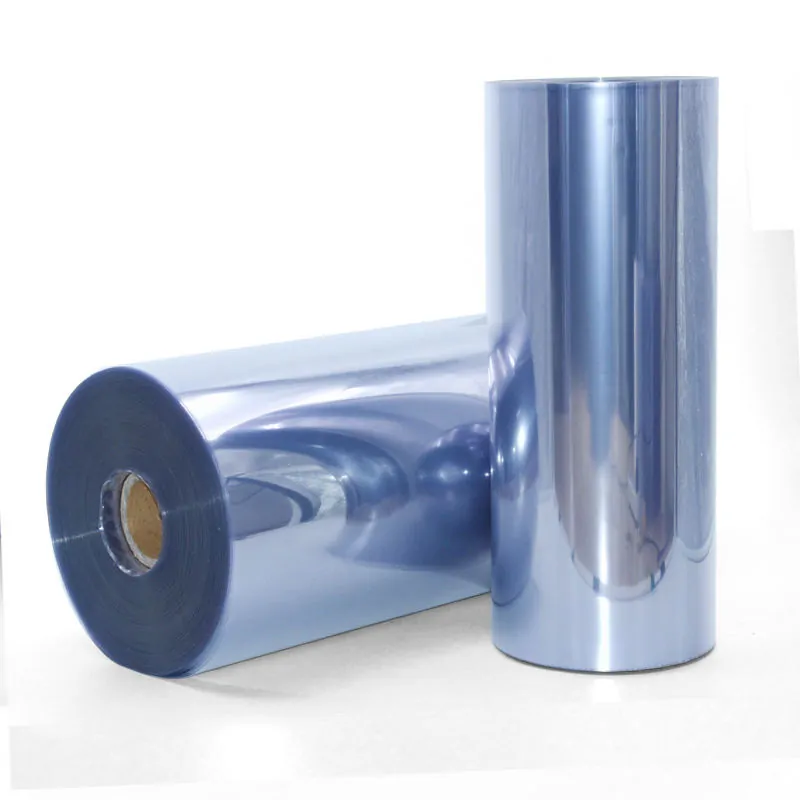
I see people buying 20 mil (0.5mm) sheets for tiny 2-inch blisters. That’s just burning money. For most small electronics or stationery packaging, using a dedicated PVC Sheet For Vacuum Forming in the 7-10 mil (0.18-0.25mm) range is the "Golden Zone." It thins out less than you think and keeps your shipping weight low.
FAQ: Quick Hits for the Shop Floor
Q: Can I laser cut PVC film?
A:NO. Never laser cut PVC. It releases chlorine gas which is toxic to you and ruins your machine. Use PETG or PP for laser projects.For compatible plastic materials, choosing the right plastic laser cutter helps achieve cleaner edges and more consistent cutting results.
Q: My PET sheet is brittle after forming. Why?
A: You likely "over-cooked" it. PET is more sensitive to thermal degradation than PVC. Lower your heater temp and try a slightly faster cycle.
Q: Where can I get custom-colored PP or PVC sheets?
A: That’s where we come in! At One Plastic, we specialize in wholesale customized colors and thicknesses that retail shops just don’t carry.
Looking For A Plastic Material Manufacturer In China?
We are committed to providing a variety of high-quality PVC rigid films. With our decades of experience in the PVC film manufacturing industry and our professional technical team, we are happy to answer your questions about PVC rigid film production and applications.