You are here:Home » News » What Is BOPET Film? Uses, Properties, and a Practical Buying Guide
What Is BOPET Film? Uses, Properties, and a Practical Buying Guide
Views: 0 Author: Site Editor Publish Time: 2026-05-15 Origin: Site
Choosing the wrong film at the start of a packaging or converting project is an expensive mistake. A film that prints cleanly on a sample sheet but tears on a high-speed laminator. A roll with the wrong core that stalls a line for a week. A material that matches the spec on paper but behaves differently under heat and tension. The trouble is rarely the film itself; it is a mismatch with the production line.
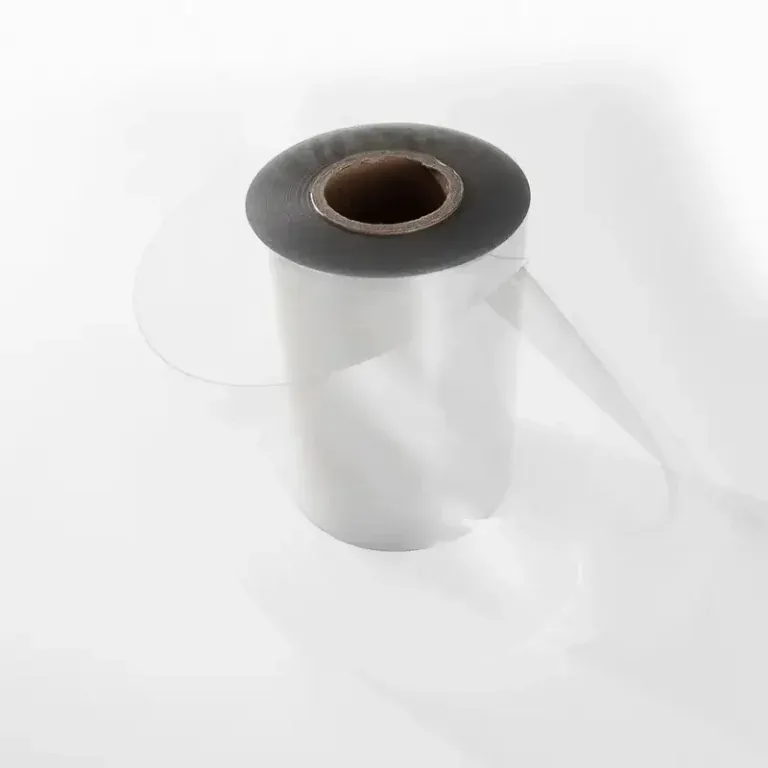
BOPET film often becomes the answer. Buyers reach for it when they need a clear film that holds its shape under tension, takes ink and metallization predictably, and behaves consistently across long runs. It is one of the most widely specified polyester films in flexible packaging, printing, and industrial converting.
This article supports sourcing decisions rather than repeating encyclopedia definitions. It covers what BOPET is in practical terms, where it is used, how it compares to other PET family materials, and what to include in a supplier inquiry.
What Is BOPET Film?
BOPET stands for biaxially oriented polyethylene terephthalate. In plain terms, it is a PET film stretched in two directions during manufacturing: along the machine direction (MD) and across the transverse direction (TD). Many ordinary PET films are made by extrusion alone, without this controlled stretching step.
Why does biaxial orientation matter to a buyer? Stretching aligns the polymer chains in both directions, making the film stronger, more dimensionally stable, and more consistent across its width. It also becomes thinner without losing tensile performance, which is part of why it is so common in flexible packaging laminates where every micron affects cost. The practical takeaway: BOPET behaves more predictably under tension, heat, and printing pressure than non-oriented PET of similar thickness.
Why Buyers Choose BOPET Film
Mechanical Strength and Dimensional Stability
Converting lines run fast. Web tension is high, unwind and rewind speeds are unforgiving, and any film that distorts under load creates print registration errors, lamination defects, or roll telescoping. BOPET generally holds dimension well under web tension, which is why printers and laminators specify it for long-run flexible packaging work.
Optical Clarity and Surface Performance
For shelf-facing packaging and display uses, clarity directly affects how a product reads at point of sale. Standard clear BOPET grades offer light transmission around 89 percent and haze in the 2 to 3 percent range. The surface is smooth and consistent enough to accept solvent inks, water-based inks, and adhesives without uneven wetting.
Thermal and Process Compatibility
BOPET keeps its shape across the temperature ranges typical of printing, lamination, and slitting. It tolerates oven temperatures used to dry inks and cure adhesives without curling or shrinking that disrupts the line. For multi-process converters, that translates into fewer setup losses.
Recyclability and Material Strategy
Brand owners are increasingly asked to document the recyclability of their packaging. BOPET, as a polyester, fits into PET recycling streams more cleanly than many composite films, and mono-material PET laminate structures using BOPET are a common direction in recyclable packaging redesigns. Raise this with a supplier early if sustainability is part of your sourcing criteria.
Common Uses of BOPET Film
Flexible Packaging Laminates
This is the largest single use category. BOPET is usually laminated with PE, BOPP, or aluminum foil, acting as the printable, stable outer layer. Snack foods, coffee, pet food, and pharmaceutical pouches commonly use this construction.
Printing and Label Converting
The smooth surface and dimensional stability make BOPET well suited for rotogravure and flexo printing. Labels, transfer films, and printed industrial markings rely on it. Corona treatment is typically specified to improve ink anchorage and lamination adhesion.
Electrical and Industrial Uses
BOPET is used as insulation in motors, transformers, and flexible circuits, and as the carrier film for industrial tapes. It also appears in optical and photovoltaic applications: diffusion films for LCD backlight modules, reflective base films for outdoor billboards, and protective films for solar panels.
Metallized Film Structures
When higher barrier performance is needed against oxygen, light, and moisture, BOPET is often vacuum-metallized with aluminum. The result is a film with strong oxygen and water vapor barrier at much lower cost than aluminum foil, and with a metallic finish brand owners often want. If your project leans this way, evaluate metalized PET film options alongside standard BOPET.
BOPET Film vs Other PET Family Materials
PET family materials are sometimes treated as interchangeable in sourcing conversations, and this is where specification mistakes start. The table below summarizes the practical differences.
Material
Typical Form
Typical Process Direction
BOPET Film
Thin film rolls
Flexible converting, laminates
PET Sheet
Rigid sheets and rolls
Thermoforming, rigid packaging
PETG Sheet
Rigid transparent sheet
Impact and formability-focused forming
GAG Sheet
Multi-layer rigid sheet
Structured packaging and forming
The read: if your end product is a flexible pouch, label, or laminate, BOPET is usually the right family. If it is a rigid tray, blister, or formed container, look at PET sheet, PETG, or GAG instead. Sending the wrong type to a thermoformer or laminator is a common reason sample runs fail.
How to Choose the Right BOPET Film Specification
Start From End Use
Specification should begin with the end product, not the material. A reflective billboard base film, a high-clarity packaging laminate, and an LCD backlight diffuser are all BOPET, but the surface treatments, additives, and thickness ranges are not interchangeable. Tell your supplier what the film has to do, not just what it is called.
Confirm Thickness and Width
Thickness drives both cost and process behavior. Standard BOPET ranges from about 12 to 50 microns for packaging and printing, with thicker grades for industrial and electrical applications. Width has to match your line, not the supplier default. A roll 10 mm wider than your unwind will not fit; a narrower roll means slitting waste.
Clarify Surface and Treatment Requirements
If the film will be printed or laminated, corona treatment is generally required on one or both sides. Surface tension is measured in dyne/cm, with treated BOPET commonly specified at 38 dyne/cm or higher. For optical, antistatic, or release applications, additional coatings or additives may be needed. State these conditions in the inquiry rather than expecting the supplier to guess.
Match Supply Format to Production
Roll-level details often get neglected and cause the biggest problems on arrival. Confirm:
Roll width and any required slitting tolerance
Core diameter (76 mm and 152 mm are common; confirm your unwind)
Roll length or roll weight target
Winding direction (treated side in or out)
Export packaging and pallet configuration for transit protection
Common Buying Mistakes to Avoid
Asking only for the lowest price. Pricing depends on thickness, treatment, and roll format. A cheaper-looking quote often reflects a different specification, and the gap shows up later as process loss.
Not sharing real process conditions. A supplier can only recommend a grade if they know your line speed, printing method, lamination structure, and curing temperatures. Without that, samples look fine in isolation but fail on the line.
Approving samples without line testing. A hand-feel evaluation is no substitute for running the film through your actual converting equipment. Always include a short line trial before bulk commitment.
Ignoring roll and winding details. A correctly specified film on the wrong core or wound the wrong way is functionally the wrong product. These details belong in the inquiry, not in a post-shipment complaint.
What to Include in a BOPET Film Inquiry
A complete inquiry typically lets a supplier respond with a usable quotation in a single round. Include:
Application scenario and end product
Target thickness and acceptable tolerance
Roll width and core diameter
Printing or lamination process notes, including any required corona or coating treatment
Monthly or annual quantity, with order frequency if known
Destination port and preferred delivery terms (FOB, CIF, etc.)
Sample request details, including size and how the sample will be evaluated
Why Source BOPET Film From ONE PLASTIC
ONE PLASTIC manufactures across the PET family, including BOPET film, metalized PET film, and PET plastic sheet. That breadth helps buyers in two ways. First, our team can recommend a different format within the family if the original specification is a poor fit, which is hard for a single-product supplier to do honestly. Second, sample matching is faster because the technical conversation stays with one vendor.
We also support slitting after production, customized roll formats, and export packaging suited to long-distance transit. To start a conversation about a specific project, the inquiry page is the fastest route.
FAQ About BOPET Film
Is BOPET film the same as standard PET film? No. BOPET is PET film biaxially stretched during production, giving it higher tensile strength, better dimensional stability, and more consistent optical properties than non-oriented PET film of the same thickness.
Can BOPET be used for packaging? Yes, this is the largest single use. BOPET is typically laminated with PE, BOPP, or aluminum foil to build flexible packaging structures for food, beverages, pet food, and pharmaceuticals.
How do I choose between BOPET and PET sheet? Match the format to the process. BOPET is for flexible converting, lamination, and printing. PET sheet is for thermoforming and rigid packaging. Pouch or label: BOPET. Formed tray or container: PET sheet.
Can BOPET be printed? Yes. BOPET takes flexo, rotogravure, and digital printing well, particularly with corona treatment on the print side.
How should thickness be selected? Thickness depends on the application. Flexible packaging often runs from 12 to 23 microns, while industrial and label uses can extend higher. Share your line conditions and the supplier can recommend a range.
Can suppliers provide samples before bulk order? Yes. To get a useful sample, share the application, target thickness, treatment requirement, and how it will be tested.
What information is required for a quotation? Application, thickness, width, core size, treatment, quantity, and destination. With those covered, most suppliers can respond with a usable price and lead time on the first reply.
Final Takeaway
BOPET selection is a process decision, not just a material decision. The right film fits your line, application, and downstream process, not simply the one with the lowest unit price or the most familiar name.
For a fast, useful quotation, send application, thickness, width, and target quantity together. From there, our team can recommend a grade, suggest a sample, and quote a roll format that will run on your line. Request a sample or quotation.