In February, a packaging team preparing a new tray program thought they had already made the sustainable choice. They asked suppliers for "recycled plastic sheet," approved a promising sample, and moved ahead. Two weeks later, the conversation became more complicated. The brand team wanted recycled content claims clarified, the production team wanted to know whether the material would still thermoform cleanly, and the procurement team needed to understand whether RPET would behave differently from the virgin PET sheet they had used before. The project did not slow down because recycled material was a bad idea. It slowed down because the team had not yet defined what kind of recycled PET sheet they actually needed.
That situation is common. RPET plastic sheet sounds straightforward, but buyers quickly discover that the useful questions are more specific. How is RPET made? Where does it perform well? How does it compare with APET or other PET-family materials? And what should a serious buyer confirm before placing an order?
In this guide, we will explain what RPET plastic sheet is, why buyers choose it, where it is commonly used, and how to evaluate it before ordering. If you want to start with the product page first, ONE PLASTIC's RPET plastic sheet page is the best place to begin.
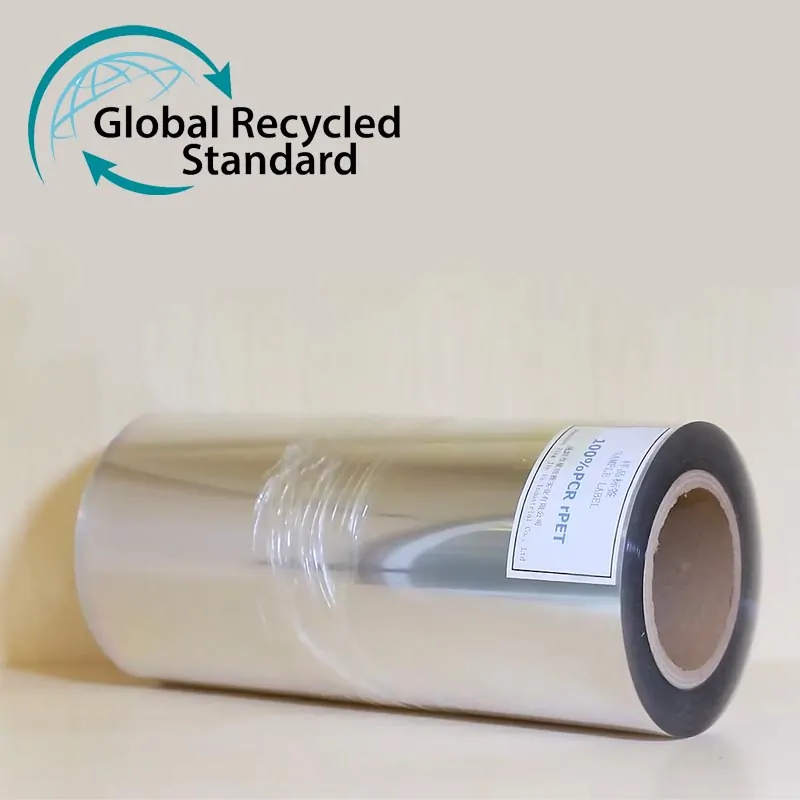
What RPET Plastic Sheet Is
RPET plastic sheet is recycled polyethylene terephthalate sheet made from recovered PET materials such as used PET bottles and other recyclable PET feedstock. After collection, sorting, cleaning, and reprocessing, the recycled PET material is turned into sheet that can be used in packaging, thermoforming, display, and other commercial applications.
In practical sourcing terms, RPET sheet gives buyers a way to stay within the PET family while increasing recycled content in the final material. That is why RPET often enters the conversation when procurement teams, converters, and brand owners want a more sustainability-focused material story without moving too far away from the processing behavior they already understand from PET.
The PET Resin Association notes that PET is one of the most widely recovered and recycled plastics in the market, which helps explain why recycled PET continues to matter commercially. Buyers are not only looking for a recycled material in theory. They are looking for a sheet product that can still run in real production settings.
How RPET Plastic Sheet Is Made
The exact process can vary by supplier and grade, but the basic idea is consistent. Used PET materials are collected, sorted, cleaned, and reprocessed into recycled raw material. That recycled material is then extruded into new sheet for packaging and converting applications.
For buyers, the key takeaway is not only that RPET is recycled. It is that RPET sheet is still part of the PET material family. That means the conversation is usually about how much recycled content is appropriate, what clarity or appearance is needed, and whether the selected RPET sheet grade matches the intended process.
If your team is comparing recycled and standard PET options at the same time, it also helps to review the broader PET sheet range so everyone is using the same material vocabulary.

Why Buyers Choose RPET Plastic Sheet
Not every project should automatically switch to RPET, but many buyers now evaluate it seriously because it can support both commercial and sustainability goals.
Recycled Content Matters More Than It Used To
Many purchasing teams are under pressure from customers, internal ESG goals, retail programs, or brand positioning to include recycled content in packaging and display materials. RPET plastic sheet is one of the most practical ways to respond to that pressure while remaining in a familiar plastic family.
That does not mean every RPET request is purely marketing-driven. In many cases, buyers simply need a realistic option that helps them reduce virgin material use while keeping their conversion process manageable.
RPET Helps Buyers Stay in the PET Family
One major advantage of RPET is that it remains recognizably part of the PET sheet ecosystem. Buyers do not need to restart material evaluation from zero. Instead, they can compare RPET with standard PET, APET, or other PET-family structures based on recycled content, clarity, stiffness, and converting behavior.
This is especially useful for teams that already know how PET performs in trays, lids, folded packaging, or display parts. They are not abandoning a known material category. They are refining it.
It Fits Real Packaging and Thermoforming Demand
The value of RPET is not only theoretical. The material matters because buyers can use it in commercial production. ONE PLASTIC's recycled rigid PET sheet page shows this more process-oriented side of the category, especially for thermoforming-related applications.
A buyer named Lucas ran into this in late 2025 while sourcing trays for a refrigerated food line. His customer wanted stronger recycled-content messaging, but the factory could not risk switching to a material that would create immediate forming problems. The final answer was not to abandon PET. It was to compare a thermoforming-ready recycled PET sheet option more carefully against the standard material they had used before.
Sustainability Is Easier to Discuss When the Material Story Is Clear
The U.S. EPA's packaging and recycling data continues to show how central PET is in the recycling conversation. That does not automatically make every RPET sheet project simple, but it helps explain why buyers keep returning to recycled PET when sustainability goals and packaging performance need to be discussed together.
Common RPET Plastic Sheet Applications
RPET plastic sheet is used in many of the same broad sectors where PET sheet is already common, but the best applications are usually the ones where recycled content adds value without creating unnecessary process risk.
Food Packaging and Trays
RPET sheet is commonly evaluated for food packaging trays, lids, inserts, and related packaging structures. Buyers in this category usually care about stiffness, clarity, forming behavior, and the commercial value of recycled content.
Thermoformed Packaging
Thermoforming is one of the most important commercial uses for RPET sheet. Trays, inserts, and shaped packaging parts are often where buyers first test recycled PET because the application already fits the PET family well.
When the project is thermoforming-heavy, buyers should not stop at the recycled-content claim alone. They should also confirm sheet format, thickness, stiffness, and forming suitability with the supplier.
Folding Boxes and Transparent Packaging
Some RPET sheet projects are less about deep forming and more about packaging conversion. In these cases, the visual finish, rigidity, and downstream converting behavior matter just as much as the recycled content claim.
Display and Retail Packaging Components
RPET can also be relevant in certain display inserts, product windows, and retail packaging parts where buyers want to combine material performance with a better sustainability story.
In January 2026, a merchandising supplier named Irene was preparing a seasonal cosmetics packaging program. The brand team wanted higher recycled content, but the converter still needed a sheet that could handle standard packaging operations cleanly. The project succeeded not because RPET was automatically perfect, but because the supplier discussion focused on the exact application and not just on the word "recycled."
RPET Plastic Sheet vs APET and Other PET Sheet Options
Buyers rarely evaluate RPET in isolation. More often, they are comparing it against other PET-family materials and trying to decide what tradeoff makes the most sense.
RPET vs Standard PET or APET
This is the most common comparison. APET or standard virgin PET is often the simpler choice when buyers want a conventional clear PET packaging material with familiar performance. RPET becomes more attractive when recycled content and sustainability positioning are part of the purchasing brief.
If your team is still deciding whether to stay with virgin PET or move toward recycled content, it helps to compare the APET sheet page alongside the RPET options to see where the two materials diverge in practice.
RPET vs PETG
PETG usually enters the conversation when the application needs more toughness, easier secondary forming, or better resistance in more demanding fabrication scenarios. RPET and PETG are not interchangeable by default because they solve different buyer priorities.
If the project becomes more fabrication-heavy or needs more toughness than a standard packaging line, it is worth comparing PETG sheet before finalizing the decision.
RPET Is a Goal-Driven Choice
The practical rule is simple. Choose RPET when recycled content is a meaningful part of the project and the selected grade still fits the process. Choose APET or standard PET when conventional PET packaging performance is the clearest priority. Compare PETG when the job needs more toughness or secondary processing flexibility.
How to Choose the Right RPET Plastic Sheet
The fastest way to choose the right RPET sheet is to begin with the application and the recycled-content requirement together.
Start With the End Use
Is the sheet being used for food packaging, insert trays, folding packaging, or display components? The end use determines how much emphasis to place on clarity, stiffness, thermoforming behavior, or conversion performance.
Confirm the Recycled-Content Requirement
Not every buyer needs the same recycled-content story. Some need a practical recycled PET option. Others have more specific procurement requirements. It is better to define that early than to assume all RPET sheet offers the same positioning.
Check Sheet Format and Thickness
Some buyers need cut sheets. Others need roll supply. Some need thin-gauge packaging material, while others need thicker rigid sheet. Thickness and format affect process suitability just as much as the recycled-content claim.
Match the Material to the Process
This is where many orders go wrong. Buyers choose RPET for the right strategic reason, but they do not confirm whether the selected grade matches thermoforming, folding, or downstream converting requirements. A good supplier discussion must include the process, not just the sustainability message.
What to Ask an RPET Sheet Supplier Before Ordering
A serious buyer should ask more than "What is your price?" Useful questions include: what recycled-content range do you supply; is this RPET sheet suitable for my thermoforming or packaging process; do you supply rolls, sheets, or both; what thickness range is available; how does this grade compare with your APET or standard PET sheet; can you support repeat supply and export packing?
These questions help buyers separate generic recycled-material claims from real production-fit discussions.

Why RPET Plastic Sheet Matters Now
RPET plastic sheet matters because it gives buyers a practical path to combine PET-family performance with recycled content. That does not make it the answer for every project, but it makes it one of the most commercially relevant material options in sustainability-focused packaging and display discussions.
As more procurement teams and brand owners look for recycled-content solutions, RPET keeps appearing because it stays close to the PET ecosystem that converters already understand. That makes it easier to evaluate than a completely unfamiliar material category.
Final Thoughts
RPET plastic sheet is best understood as a recycled member of the PET sheet family rather than as a completely separate material world. That is why good buying decisions depend on the same things that matter in any serious sheet purchase: end use, converting method, format, thickness, and supplier fit.
If your project needs recycled content without leaving the PET family, RPET is one of the first options worth comparing. Review ONE PLASTIC's RPET plastic sheet and recycled rigid PET sheet pages, then send your thickness, format, recycled-content target, and application for a faster recommendation.


